
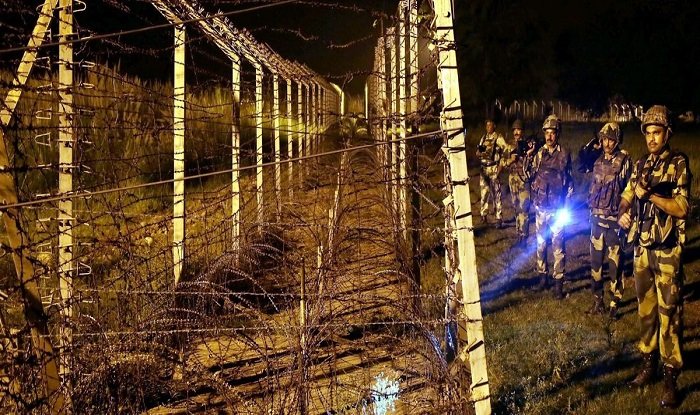





The clashes that began on Wednesday, May 6, 2025, soon escalated into air strikes and drone warfare. Both sides attacked each other’s military bases, raising fears of instability in the region.

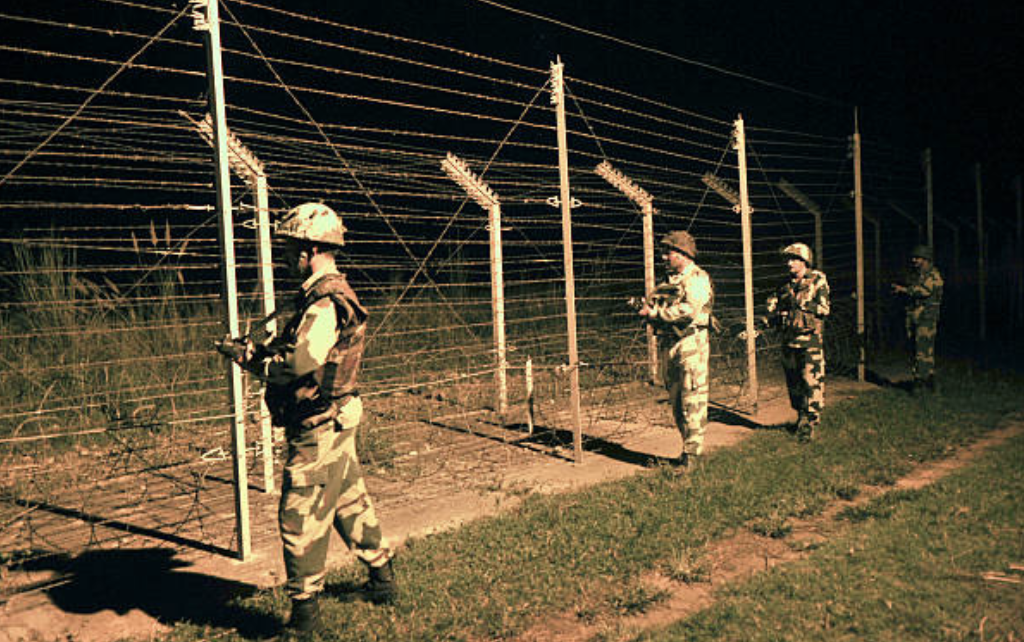
On 10 May 2025, two nuclear-armed neighbours in South Asia, India and Pakistan, declared a complete and immediate ceasefire after four days of intense military clashes. The conflict, which escalated to missile attacks and drone warfare along the Line of Control (LoC), not only reflects the military strategies of the two countries but also tells a complex story of global diplomacy and economic pressures. In this article, we analyse the facts behind the ceasefire, international interventions, and its long-term implications.
Emergence of conflict: Kashmir at the centre again
A deadly terror attack in Indian-controlled Kashmir last month reignited tensions between the two countries. The attack was part of a decades-old dispute over Kashmir, a picturesque Himalayan valley that has remained unresolved since the India-Pakistan Partition in 1947. The clashes, which began on Wednesday, May 6, 2025, soon escalated into air strikes and drone warfare. Both sides attacked each other’s military installations, raising fears of instability in the region. This was the first time the two countries used drones on a large scale, opening up new dimensions for future wars.